
In conclusion, while Pineal Guardian may appeal to individuals interested in enhancing their mental and spiritual well-being, its legitimacy as a health supplement is questionable. As the conversation around pineal gland health continues to evolve, further research is necessary to determine the efficacy and safety of products like Pineal Guardian. The lack of robust scientific evidence supporting its claims, combined with mixed user experiences, suggests that consumers should exercise caution.
To assess the legitimacy of Pineal Guardian, it is essential to consider the scientific research surrounding pineal gland health and the ingredients used in the supplement. While some studies suggest that certain nutrients can support brain health and melatonin production, the direct impact of Pineal Guardian on the pineal gland specifically remains largely unsubstantiated. The absence of peer-reviewed studies or clinical trials specifically evaluating Pineal Guardian limits its credibility as a health product.
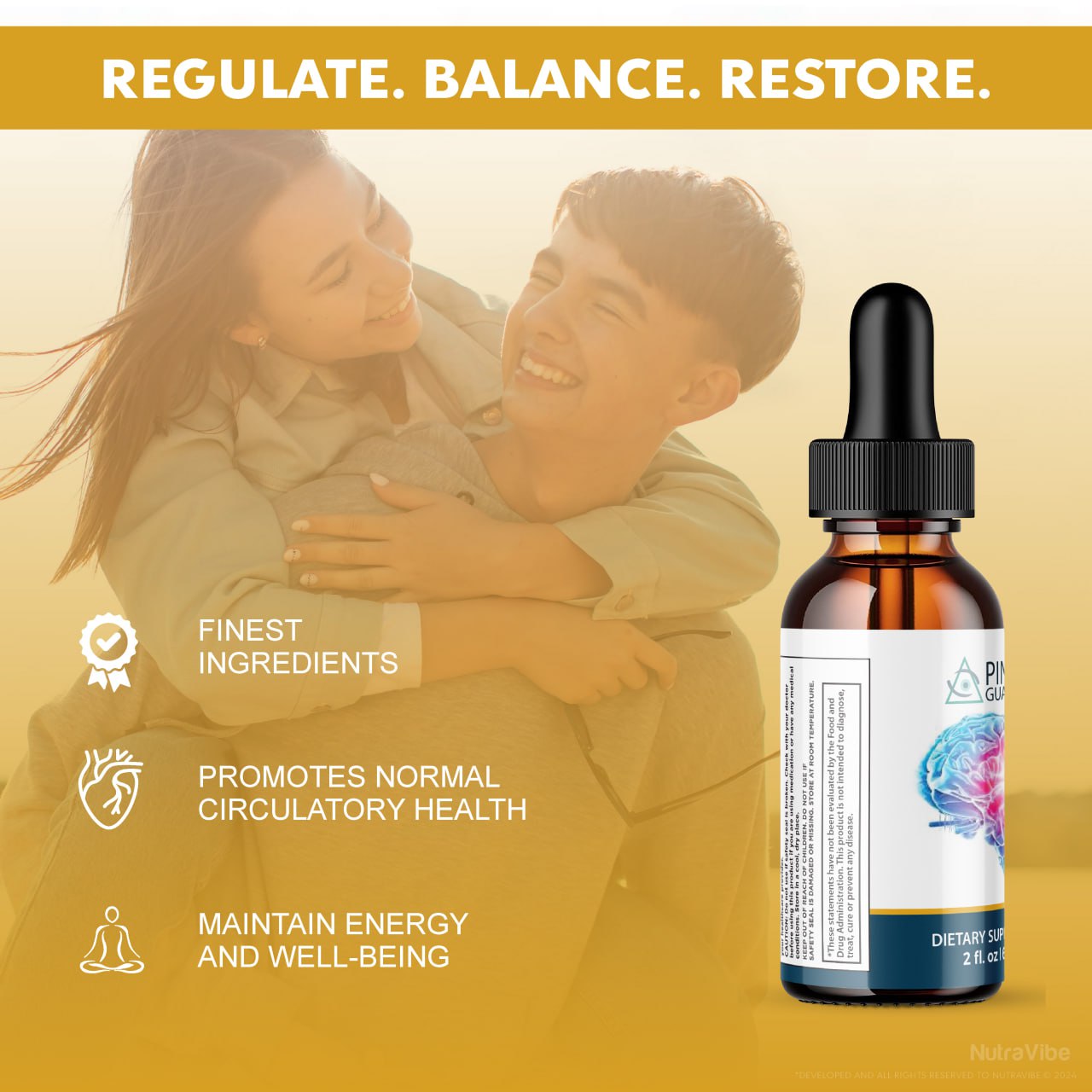 As with any health product, potential users are encouraged to consult with healthcare professionals before starting new supplements, ensuring that they align with their individual health needs and goals. While many report benefits such as improved sleep and cognitive function, others caution about possible side effects and the cost of the supplement. In conclusion, Pineal Guardian has garnered a mix of positive and negative reviews, reflecting the diverse experiences of its users.
One of the key ingredients often found in Pineal Guardian is tryptophan, an amino acid that serves as a precursor to serotonin and subsequently melatonin. Additionally, ingredients such as valerian root and passionflower are commonly included for their calming effects, which may further enhance sleep quality. Some studies suggest that increasing tryptophan intake can positively affect sleep quality and mood.
However, the scientific basis for these claims is limited and requires careful scrutiny. Pineal Guardian claims to detoxify the pineal gland from fluoride and other toxins, improve sleep quality, and enhance overall well-being. The pineal gland has long been associated with various mystical and spiritual beliefs, often referred to as the “third eye.” This has led to a surge in interest in supplements claiming to enhance its function.
Firstly, the ingredients in Pineal Guardian warrant examination. This lack of scientific validation raises concerns about the product’s effectiveness. Common components include natural herbs and minerals purported to support cognitive function and detoxification. While some ingredients like melatonin and magnesium have been studied for their effects on sleep, the specific combination and dosages in Pineal Guardian have not been rigorously tested in clinical trials.
Furthermore, the absence of transparency regarding the sourcing and manufacturing processes of the supplement can heighten suspicions about its quality and safety. Moreover, the marketing tactics employed by Pineal Guardian raise red flags. The supplement is often promoted through testimonials and anecdotal evidence rather than through peer-reviewed research. Many products in the wellness industry utilize emotional appeals and personal stories to sell their products, which can mislead consumers into believing in their efficacy without substantial proof.
Pineal Guardian is a supplement that has gained attention for its purported benefits in enhancing mental clarity, promoting relaxation, and supporting overall brain health. As interest in natural supplements continues to rise, many users have shared their experiences with Pineal Guardian, leading to a variety of reviews that highlight both its strengths and weaknesses.
As with any supplement, potential users are encouraged to consider their individual health needs and consult with a healthcare professional before starting a new regimen. In conclusion, reviews of Pineal Guardian reflect a mixed bag of experiences, with many users reporting positive effects on mental clarity and relaxation, while others express dissatisfaction with the results or side effects. The natural formulation and focus on brain health resonate with many consumers, yet the product’s effectiveness can vary from person to person. Overall, Pineal Guardian appears to have carved out a niche in the supplement market, appealing to those seeking natural support for cognitive function and overall wellness.
This has led to some discussions about whether the benefits justify the price, especially for those who may be on a tight budget. Another aspect that is frequently mentioned in reviews is the price point of Pineal Guardian. While many users find the cost reasonable for a quality supplement, others believe it is on the higher end compared to similar products on the market.
By enhancing serotonin production, 5-HTP can help improve mood, reduce anxiety, and promote a sense of well-being. Low levels of serotonin are often associated with feelings of anxiety and depression. Another significant ingredient in Pineal Guardian is 5-HTP (5-Hydroxytryptophan), a naturally occurring amino acid that serves as a precursor to serotonin, a neurotransmitter that plays a vital role in mood regulation. This ingredient, combined with melatonin, creates a synergistic effect that can further support mental health and emotional balance.